Free Gift On Purchase Above $500
AMD Ryzen CPUs

💻 Why AMD Ryzen CPUs Dominate Value & Performance: The Ultimate Tech Edge

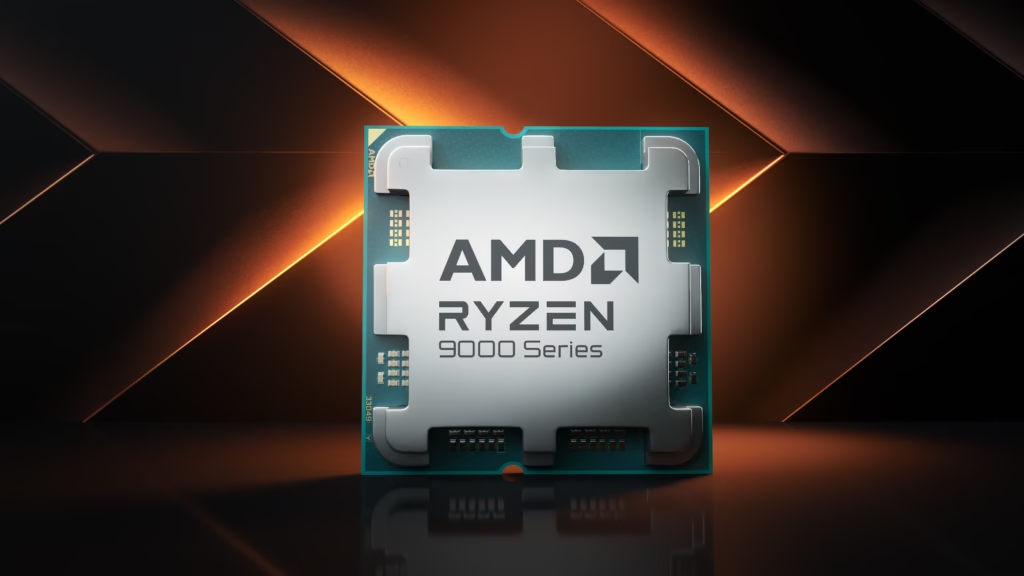
For years, the CPU landscape felt predictable, almost stagnant. Then AMD Ryzen CPUs arrived, not just as a competitor, but as a catalyst for seismic change. Today, Ryzen processors stand as a beacon for enthusiasts, creators, and budget-conscious builders alike, consistently delivering an unmatched blend of raw power and exceptional value. But what exactly makes them the go-to choice for dominating both performance benchmarks and price-to-performance charts? Let’s dive deep.

💻 AMD Ryzen CPUs: Unrivaled Masters of Performance & Value
AMD Ryzen CPUs

1. The Core Count Revolution: Democratizing Power

AMD’s most significant impact with Ryzen was shattering the high-core-count barrier. Prior to Ryzen, mainstream consumers paid a hefty premium for CPUs with more than 4 cores. Ryzen changed the game overnight, offering 6, 8, 12, and even 16 cores at previously unthinkable price points for desktops.

  • Multitasking & Productivity Nirvana: More cores directly translate to smoother multitasking. Running demanding applications like video editors (Premiere Pro, DaVinci Resolve), 3D renderers (Blender, Cinema 4D), complex code compilations, or numerous browser tabs and background tasks becomes effortless. Ryzen handles heavy workloads with grace, drastically reducing render times and improving overall system responsiveness.
  • Future-Proofing: Software, especially creative suites and games, increasingly leverages multiple cores. Investing in a higher core-count Ryzen CPU today means your system stays relevant and capable for years longer.

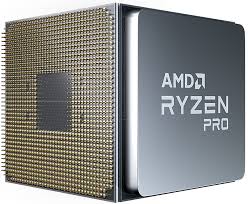
Zen Architecture: The Engine of Efficiency & IPC
AMD Ryzen CPUs

The secret sauce behind Ryzen’s prowess is the continuous evolution of the Zen microarchitecture (Zen, Zen+, Zen 2, Zen 3, Zen 4). Each generation brought substantial improvements:

  • IPC (Instructions Per Clock) Gains: This is arguably the most critical metric for raw CPU speed. Each Zen iteration delivered significant IPC uplifts, meaning Ryzen CPUs could do more work in each clock cycle, rivaling and often surpassing Intel’s best in single-threaded performance – crucial for gaming and many applications.
  • Efficiency: Built primarily on TSMC’s advanced manufacturing processes (7nm, 6nm, 5nm), Ryzen CPUs achieve remarkable performance while maintaining lower power consumption and heat output compared to competitors at similar performance tiers. This translates to quieter systems, less strain on cooling solutions, and lower electricity bills.
  • Innovative Chiplet Design: Starting with Zen 2, AMD pioneered the chiplet design (Core Complex Die – CCD + I/O Die). This allowed them to separate high-performance cores built on cutting-edge nodes from the I/O functions, improving yields, scalability (enabling those high core counts), and cost-effectiveness – savings passed onto consumers.

The AM4/AM5 Platform: Longevity & Investment Protection

AMD’s commitment to platform longevity is legendary and a massive value driver:

  • AM4: The Unprecedented Legacy: Launched in 2017, AM4 supported five generations of Ryzen CPUs (1000 to 5000 series, plus newer APUs). Users could upgrade from an early Ryzen 5 to a powerhouse Ryzen 9 years later without changing their motherboard. This saved consumers hundreds of dollars in platform costs over the socket’s lifespan.
  • AM5: Building on the Promise: The new AM5 socket (LGA, finally!) launched with Ryzen 7000 series and promises support through at least 2025+. Investing in AM5 today means a clear, cost-effective upgrade path to future Ryzen 8000, 9000, and beyond CPUs, protecting your investment.

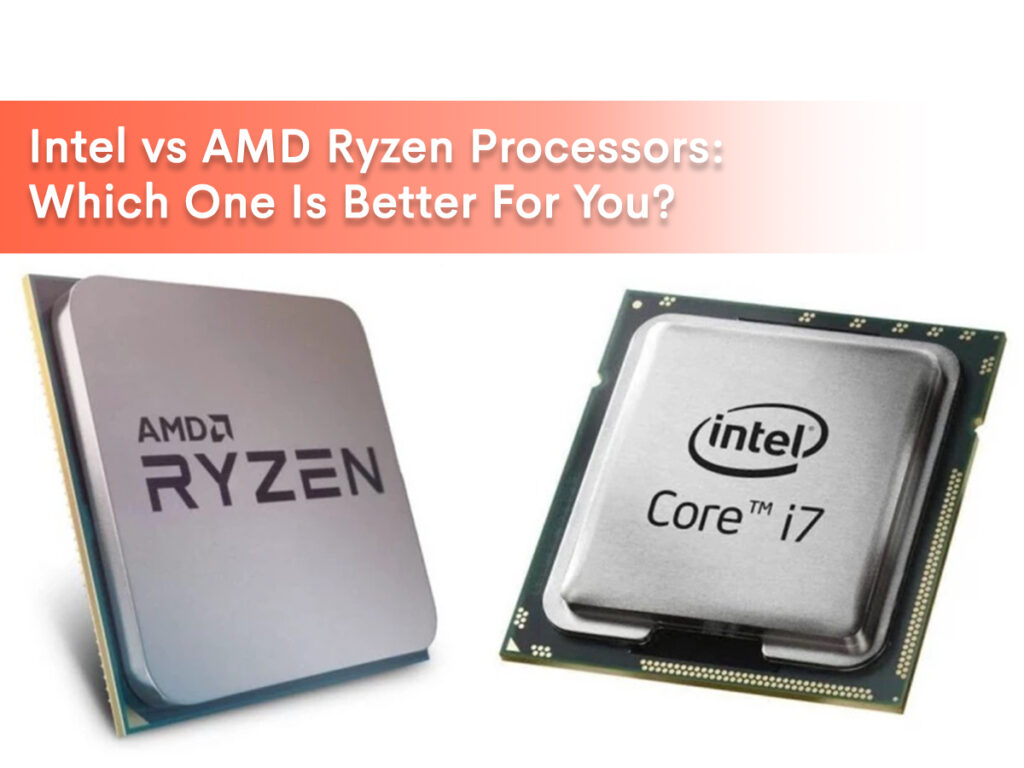
Unbeatable Price-to-Performance Ratio: The Value King
AMD Ryzen CPUs

This is where Ryzen truly shines and dominates:

  • Mainstream Dominance: In the crucial mid-range (Ryzen 5/Ryzen 7), Ryzen consistently offers more cores and threads at a given price point than Intel. A Ryzen 5 often outperforms a comparably priced Core i5, especially in multi-threaded tasks. The value proposition is crystal clear.
  • High-End Value: Even at the enthusiast level (Ryzen 9), AMD delivers incredible core counts and performance that either match or exceed Intel’s offerings, often at a lower price. The Ryzen 9 7950X3D, for instance, offers gaming dominance and extreme productivity power in one chip.
  • 3D V-Cache: Gaming Supremacy: AMD’s unique 3D V-Cache technology (stacking a large L3 cache directly on the CPU die) creates gaming monsters like the Ryzen 7 5800X3D and Ryzen 7 7800X3D. These chips often deliver class-leading gaming performance, rivaling or beating Intel’s best, frequently at a lower price point, making them the ultimate value-for-fps choice.

Integrated Graphics That Don't Suck: Radeon Power

While Intel integrated graphics (UHD/Xe) are functional, AMD’s Ryzen processors with integrated graphics (dubbed APUs – Accelerated Processing Units) feature powerful Radeon Vega or RDNA 2 cores:

  • Real-World Usability: Ryzen APUs (like the Ryzen 5 5600G or Ryzen 7 8700G) offer genuinely capable gaming performance at 1080p low/medium settings for popular esports and older titles. This is lightyears ahead of basic Intel HD graphics, providing a viable gaming solution without a dedicated GPU – a huge value for budget builds, small form factors, or temporary setups.
  • Smooth Productivity: The powerful iGPU also accelerates video playback and light creative tasks, ensuring a smooth experience even without a discrete card.

Smart Technologies: Optimizing Your Experience

Ryzen CPUs come packed with intelligent features that enhance performance and usability:

  • Precision Boost & Precision Boost Overdrive (PBO): Dynamically adjusts clock speeds based on workload, cooling, and power limits, squeezing out maximum single and multi-core performance automatically.
  • AMD EXPO (Extended Profiles for Overclocking): The AMD equivalent of Intel XMP, making it easy to enable optimized high-speed memory profiles for AM5 systems, boosting performance with minimal effort.
  • Eco Mode: Allows users to drastically lower the CPU’s power consumption (e.g., 65W mode on a 105W chip) for significantly reduced heat and noise with a relatively minor performance impact – perfect for quiet HTPCs or light workloads.

The Competitive Effect: Driving Innovation & Lower Prices

Ryzen’s success cannot be overstated in terms of its impact on the entire market. By forcing Intel out of complacency, AMD ignited a new era of fierce competition. The result? Consumers win big:

  • Faster Innovation: Both companies now push architectural improvements and core count increases at a much faster pace.
  • Aggressive Pricing: Intel has been forced to slash prices and offer more cores/threads at lower tiers to compete with Ryzen’s value proposition. This constant competitive pressure keeps prices in check and performance soaring.

The Undisputed Value & Performance Champions

AMD Ryzen CPUs didn’t just enter the market; they redefined it. Through a relentless focus on core counts, continuous architectural innovation (Zen), unprecedented platform longevity (AM4/AM5), aggressive pricing, and smart technologies, Ryzen delivers a proposition that’s incredibly hard to beat.

Whether you’re a gamer seeking the highest frames per dollar (especially with 3D V-Cache), a creator needing massive multi-threaded muscle for rendering and encoding, a multitasker juggling countless applications, or a budget builder looking for the most capable system without breaking the bank, AMD Ryzen offers a compelling solution. They consistently dominate the critical price-to-performance metric while simultaneously competing at the absolute peak of raw processing power. In the quest for the ultimate blend of value and performance, Ryzen isn’t just an option; it’s often the undisputed champion. That’s what makes Ryzen truly special. 💻

GeForce RTX 50 Series: Is a Monumental Performance Leap Truly Ahead?

Is a Monumental Performance Leap Truly Ahead?

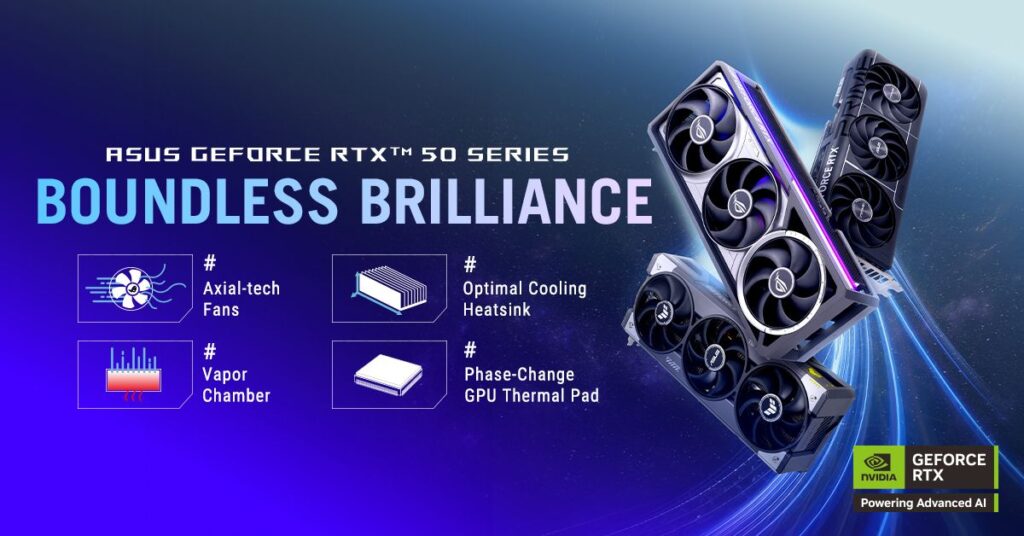
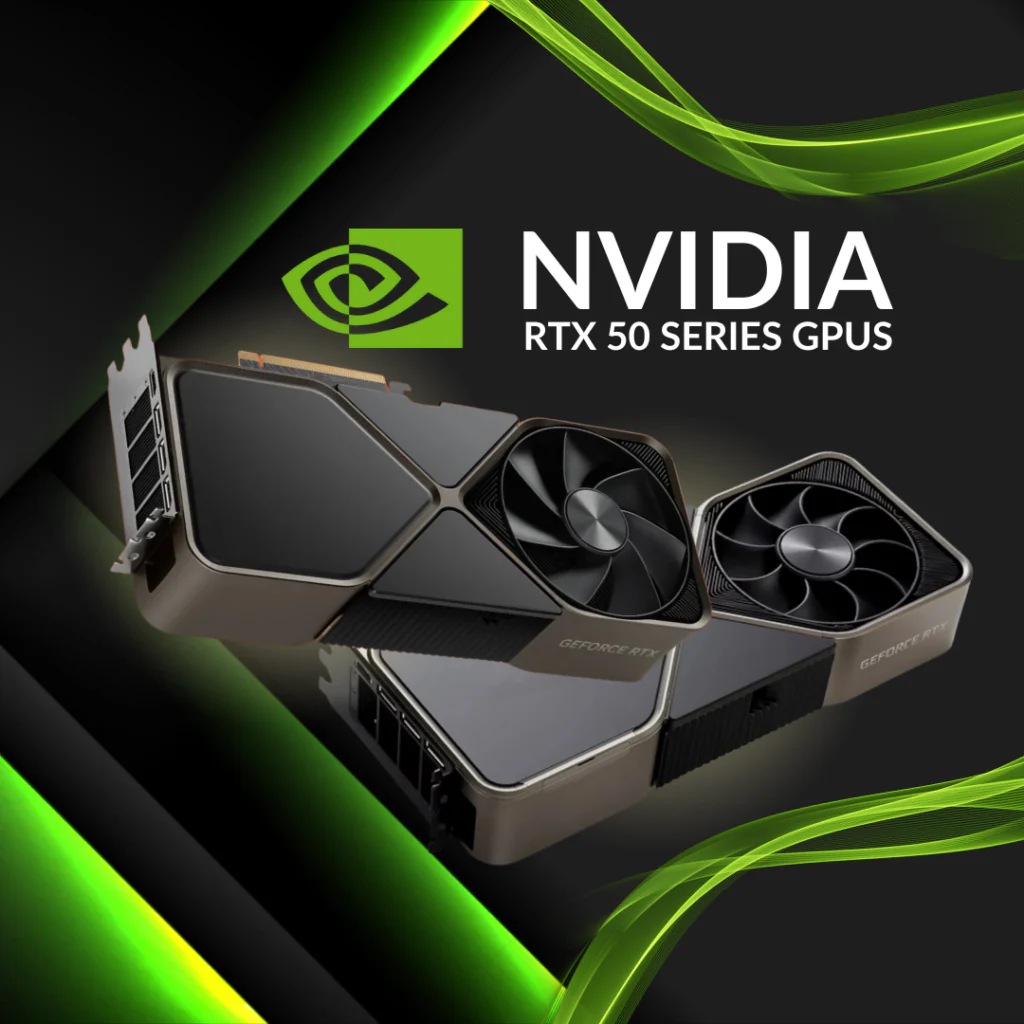
The GPU landscape thrums with anticipation. Following the significant strides of the Ampere (RTX 30 Series) and Ada Lovelace (RTX 40 Series) architectures, all eyes are now fixed on the horizon, eagerly awaiting NVIDIA’s next move: the GeForce RTX 50 Series, codenamed “Blackwell”. The burning question on every gamer, creator, and tech enthusiast’s mind is simple yet profound: Will the RTX 50 Series deliver the monumental performance leap its predecessor achieved, or even surpass it? While NVIDIA remains characteristically tight-lipped on official specs, a deluge of credible leaks, informed analysis, and industry whispers paint a compelling picture of potentially transformative power. Let’s dive into the rumors and explore what might make the RTX 50 Series a true generational landmark.

The Blackwell Foundation: Building on Ada's Brilliance

While Ada Lovelace brought revolutionary features like DLSS 3 Frame Generation and massively improved ray tracing efficiency, Blackwell isn’t expected to start from scratch. Instead, it’s predicted to be a significant evolution, leveraging TSMC’s cutting-edge 3nm (N3 or N3E) process node. This shrink alone promises substantial gains:

  1. Increased Transistor Density: More transistors packed into the same space (or smaller) directly translates to more processing units and enhanced capabilities.
  2. Improved Power Efficiency: A smaller node typically allows for either lower power consumption at the same performance level or significantly higher performance within similar power envelopes – a crucial factor as high-end GPUs push thermal limits.
  3. Higher Clock Speeds: The refined process could enable higher stable boost clocks, squeezing more raw compute power per cycle.

Architectural Rumors: Where the Magic Might Happen

Beyond the process node, the architectural refinements under the Blackwell banner are where the true potential for a performance leap lies. Key areas of speculation include:

  1. Massively Increased CUDA Core Counts: Leaks suggest staggering core count jumps. Rumors point to the flagship (potentially RTX 5090) boasting up to 50% more CUDA cores than the RTX 4090. This raw compute horsepower is fundamental for rasterization performance.
  2. Next-Gen RT and Tensor Cores: Ray tracing and AI-driven features (DLSS, Frame Generation) are NVIDIA’s crown jewels. Blackwell is expected to introduce 4th Generation RT Cores and 5th Generation Tensor Cores. These promise not just incremental improvements but potentially 2x ray tracing performance and significantly faster AI processing, enabling more complex effects, higher frame rates with RT enabled, and the foundation for next-level DLSS.
  3. Memory Bandwidth Revolution: A major bottleneck for high-resolution, high-refresh-rate gaming is memory bandwidth. Blackwell is heavily rumored to feature GDDR7 memory. GDDR7 promises dramatically higher speeds (potentially 28-32 Gbps per pin initially, scaling higher later), translating to bandwidth figures potentially exceeding 1.5 TB/s on the flagship – a massive jump from the RTX 4090’s 1 TB/s. Wider memory buses (512-bit or even 512-bit+) are also plausible.
  4. Enhanced Cache Hierarchy: Following the success of the massive L2 cache in Ada Lovelace, Blackwell will likely further optimize cache size, structure, and latency. This acts as a high-speed reservoir feeding the hungry cores, reducing reliance on slower VRAM and improving overall efficiency and performance, especially at high resolutions.
  5. Refined SM (Streaming Multiprocessor) Design: Expect optimizations to the fundamental building blocks, improving scheduling, data handling, and instruction throughput within each SM.

Projecting the Performance Leap: Gaming Nirvana?

Combining the 3nm process, architectural leaps, GDDR7, and cache improvements, the potential performance uplift is staggering:

  • Raw Rasterization: Conservative estimates suggest 60-70% gains over the RTX 4090 in traditional rasterized games at 4K. More optimistic projections, fueled by core count rumors, hint at approaching or even exceeding 100% gains (2x performance) in some scenarios. This would make 4K @ 240Hz+ far more achievable.
  • Ray Tracing Dominance: With 4th Gen RT Cores and more raw power, expect ray tracing performance to see an even larger jump – potentially 1.8x to 2.5x the performance of the RTX 4090. Fully path-traced games could become significantly more playable at high resolutions and settings.
  • AI & DLSS 4.0: This is arguably the most exciting frontier. 5th Gen Tensor Cores pave the way for DLSS 4.0. Rumors suggest revolutionary features like “Frame Reconstruction” – potentially generating multiple high-quality frames from a single rendered frame, far surpassing DLSS 3’s Frame Gen which creates one frame between two real ones. Combined with even better image quality and lower latency, DLSS 4 could unlock frame rates previously unimaginable, making 8K gaming genuinely viable or pushing 4K well beyond 360Hz.

Beyond Gaming: Creator & Productivity Powerhouse

The RTX 50 Series won’t just be for gamers. The immense CUDA core counts, enhanced Tensor cores, and massive memory bandwidth will be a boon for:

  • 3D Rendering (Blender, V-Ray, Octane): Dramatically reduced render times.
  • AI Workloads (Stable Diffusion, LLMs, Training): Faster model training and inference locally.
  • Video Editing & Effects (DaVinci Resolve, Premiere Pro, After Effects): Smoother 8K+ timelines, faster effects rendering, accelerated AI-powered features like Magic Mask.
  • Scientific Computing & Simulation: Increased throughput for complex calculations.

The DLSS 4.0 Wildcard: Redefining Performance?

DLSS 3 was transformative. DLSS 4.0, built on Blackwell’s enhanced AI muscle, has the potential to be revolutionary. If “Frame Reconstruction” materializes as rumored, it could fundamentally alter how we perceive GPU performance metrics. Benchmarks focusing solely on native rendering might become less relevant, as AI-generated frames could deliver incredibly smooth, high-fidelity experiences far beyond the raw raster or ray tracing output. The effective performance leap perceived by users could be astronomical.

Release Timeline & Market Realities

Consensus points towards a late 2024 launch, likely starting with the flagship RTX 5090, followed by the RTX 5080, and then more mainstream models (RTX 5070, RTX 5060) potentially stretching into Q1 or Q2 2025. Expect NVIDIA to maintain its tiered pricing strategy, with the RTX 5090 likely commanding a premium.

Challenges and Considerations:

  • Power & Thermals: Massive performance gains often come with increased power demands. Can NVIDIA keep TDPs manageable? Efficient 3nm and architectural improvements will be key. Expect high-end cards to likely require robust 1000W+ PSUs and excellent cooling.
  • Pricing: The RTX 40 Series saw significant price hikes. Will Blackwell continue this trend, or will competition (AMD RDNA 4, Intel Battlemage) force NVIDIA to be more aggressive? A monumental leap might justify a premium, but affordability remains a concern.
  • Software Optimization: Harnessing the full potential, especially of next-gen RT and DLSS 4.0, will require significant developer effort and game engine integration.

The Leap Looks Plausible, Perhaps Even Probable

Based on the confluence of technological advancements – the move to 3nm, the architectural evolution of cores and cache, the game-changing potential of GDDR7, and the AI-powered promise of DLSS 4.0 – the GeForce RTX 50 Series is poised not just for an upgrade, but for a potential performance leap of generational significance.

While we must always temper expectations until official announcements and independent reviews, the trajectory suggested by leaks and industry progress is undeniably exciting. Yes, a monumental performance leap ahead seems highly plausible. We could be looking at:

  • Near-doubling of raster performance at the high end.
  • More than doubling of ray tracing capabilities.
  • GDDR7 smashing memory bandwidth barriers.
  • DLSS 4.0 redefining smoothness and image quality through advanced AI frame generation.

For gamers chasing ultimate 4K high-refresh experiences or even credible 8K gaming, for creators demanding blistering render times, and for anyone pushing the boundaries of AI locally, the Blackwell-based RTX 50 Series represents not just an incremental step, but a potential giant leap forward in GPU performance. The horizon is bright, and the leap, based on all available evidence, appears not just possible, but likely. The countdown to Blackwell has truly begun.

Back to Top
Product has been added to your cart